Microsoft’s Amsterdam Data-Center Protest Highlights Power-Grid and Housing Concerns
Hundreds of activists breached a Microsoft data-center construction site in Amsterdam, citing power-grid strain and housing delays. The protest underscores growing opposition to large data-center…
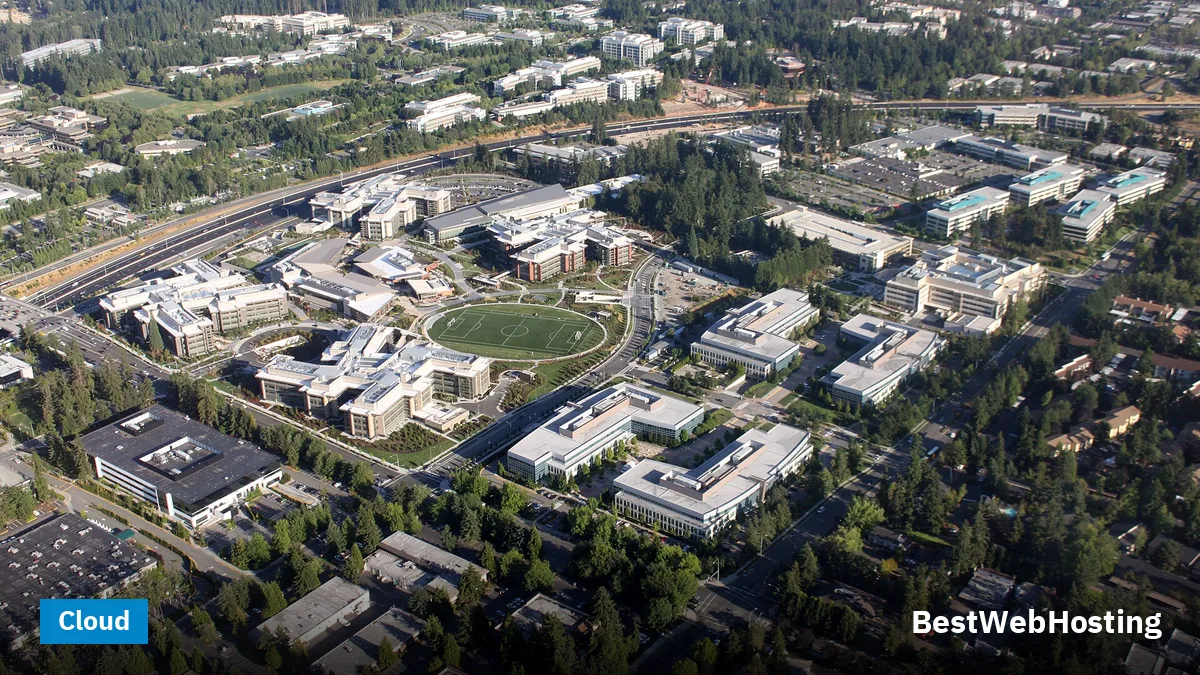
On Friday, a crowd of about one hundred protesters broke into the construction site of a new Microsoft data center on the outskirts of Amsterdam. The demonstration, organized by the activist group Geef Tegengas, was aimed at stopping the project that will house three 85-meter towers and will be rented in full by Microsoft. The site is being built by British developer Pure Data Centres and was approved in January after the provincial government allowed the project to proceed, despite a city ban on new data centers that took effect in 2023.
- Protesters entered the site by breaking fences and climbing a construction crane, and unfurled banners such as “fuck AI” and “Microsoft powers genocide”.
- Police were dispatched to the site, made several arrests, and had earlier stopped the march on its way to the site; the mayor had banned the demonstration.
- The protest was part of a broader wave of data-center opposition across Europe and the United States, with activists citing power-grid strain and housing delays.
How the Protest Unfolded
According to a Reuters witness, roughly one hundred people entered the site, while a spokesperson for Geef Tegengas claimed that about five hundred protesters had breached the fence and that hundreds more remained outside. Riot police were sent to the site near Sloterdijk, the city’s western port area, and made several arrests, as reported by local broadcaster AT5. Earlier in the morning, police had stopped the march on its way to the site and the mayor had banned the demonstration. Protesters attempted to break through the police line, and the Dutch news agency ANP reported that the police behaved badly and that the right to protest had been ignored.
Project Details and Legal Loopholes
The data-center project, which will consist of three buildings each 85 metres tall, was first filed in 2016. It was approved by the provincial government in January after the city’s ban on new data centers was put in place. Critics say the project circumvents Dutch rules on very large data centers. The site will use as much electricity as every household in Amsterdam combined and is said to slow the building of 30,000 new homes. City officials have warned that shortages on the power grid threaten plans for new homes and schools.
Broader Context of Data-Center Opposition
Activists have targeted Microsoft’s data-center sites in other European cities. Earlier this week, activists staged a mock Israeli military checkpoint outside a Microsoft data center in Dublin. In July, Extinction Rebellion activists threw balloons filled with acid and paint over the fence of the same Amsterdam site. The protest is part of a two-day action against data centers planned in several European countries on November 6 and 7. In the United States, voters recently rejected unrestrained development of data centers, and AI data centers continue to pop up across the country, often facing local opposition over environmental and community impacts.
Implications for the Cloud Industry and Local Communities
The incident highlights the tension between the rapid expansion of cloud infrastructure and local concerns over energy consumption and housing supply. Microsoft’s decision to proceed with the project despite the city ban and the provincial approval underscores the challenges regulators face in balancing economic growth with environmental and social considerations. For businesses that rely on cloud services, the protest signals that large data-center projects may face increasing scrutiny and potential delays, which could affect service availability and pricing. Local communities, meanwhile, may see continued pressure on power grids and housing development as data-center projects advance.
What Comes Next
Microsoft has not issued a public statement regarding the protest. The city and provincial governments are likely to review the project’s compliance with energy and housing regulations. Police and municipal authorities may increase security and monitoring of the construction site to prevent future incidents. The broader debate over data-center development will continue as more projects are announced across Europe and the United States, with activists and regulators negotiating the balance between technological progress and community impact.


